


If you’ve spent any time scrolling through trekking photos of Nepal, you already know the problem. Every trail looks jaw-dropping — snow-capped ridgelines, prayer flags snapping in the wind, tiny stone villages tucked into impossible valleys. The pictures all promise the same thing: the trip of a lifetime. But once you actually sit down to plan, the confusion kicks in fast. Should it be the Everest Base Camp Trek, the Annapurna Circuit Trek, or the Manaslu Circuit Trek? They’re often lumped together as “the big three” of Nepal trekking, yet anyone who’s done more than one of them will tell you the experiences are worlds apart.
The Everest Base Camp Trek is the one everyone’s heard of — the legendary walk toward the world’s tallest mountain, through Sherpa villages and past monasteries that have watched climbers come and go for generations. The Annapurna Circuit Trek is the old classic, famous for how much scenery changes underfoot, from subtropical forest to high alpine desert in the span of a couple of weeks. And the Manaslu Circuit Trek is the quieter cousin — a restricted-area route that still feels wild, with far fewer trekkers and a stronger sense that you’ve actually gone somewhere remote.
Here’s the honest truth: the best trek isn’t the highest one, or the most Instagrammed one. It’s the one that fits your fitness, your schedule, and the kind of Himalayan story you actually want to tell afterward.
Contents
- 1 Difficulty Comparison: Is Everest Base Camp Harder Than Annapurna Circuit?
- 2 Why Nepal Is One of the Best Trekking Destinations in the World
- 3 Everest Base Camp Trek – The Journey to the World’s Highest Mountain
- 4 Annapurna Circuit Trek – A Complete Himalayan Experience
- 5 Manaslu Circuit Trek – Nepal’s Hidden Himalayan Adventure
- 6 How to Choose the Right Himalayan Trek for Your Travel Style
- 7 Best Time for Everest Base Camp, Annapurna Circuit, and Manaslu Circuit Trek
- 8 Permits Required for These Nepal Treks
- 9 Why Choose an Experienced Trekking Company?
- 10 Essential Tips Before Starting Your Himalayan Trek
- 11 Conclusion
- 12 Frequently Asked Questions (FAQs)
Difficulty Comparison: Is Everest Base Camp Harder Than Annapurna Circuit?
Before you choose a Himalayan adventure, you need to know the degree of difficulty. All three treks are achievable if you prepare yourself but differ in altitude, trail conditions and how physically demanding they are.
| Trek | Difficulty |
| Everest Base Camp Trek | Moderate to Challenging |
| Annapurna Circuit Trek | Moderate |
| Manaslu Circuit Trek | Challenging |
Why Nepal Is One of the Best Trekking Destinations in the World
Nepal is home to eight of the world’s fourteen mountains over 8,000 meters, which alone would be enough to put it on every trekker’s list. But it’s not just the altitude that keeps people coming back. It’s the way the mountains sit next to centuries-old villages, where daily life still moves at the pace of yak trains and prayer wheels rather than traffic lights. Trekking here isn’t only about ticking off elevation gains — it’s walking through living Sherpa, Gurung, and Tibetan-influenced communities along the way. From the famous Everest Base Camp Trek to the peaceful trails of the Manaslu Circuit Trek, Nepal manages to offer something for almost every kind of traveler, whether you want a bucket-list adventure or a slower, quieter escape.
Everest Base Camp Trek – The Journey to the World’s Highest Mountain
Overview of Everest Base Camp Trek
There’s a reason the Everest Base Camp Trek is the name most people know first. It’s Nepal’s flagship trekking route and pulling in thousands of trekkers every year who all want the same thing. To stand in the shadow of the world’s highest mountain. The trail winds through the Khumbu region, home to Sherpa culture, dramatic glacial valleys. Some of the most photographed mountain views on the planet.
Most itineraries start with a short, hair-raising flight into Lukla, then follow the trail through the Khumbu region for around 12 to 16 days, topping out at Everest Base Camp itself, sitting at roughly 5,364 meters.
Highlights of Everest Base Camp Trek
Along the way, you’ll pass through Namche Bazaar, the bustling trading town that acts as the unofficial capital of the Khumbu, and Tengboche Monastery, where monks still chant against a backdrop of some of the highest peaks on earth. Most people build in an early morning hike up Kala Patthar for the classic Everest sunrise viewpoint — and honestly, it’s worth the alarm clock. The moment trekkers stand at Kala Patthar watching the first light hit Everest, all those long, tiring walking days suddenly feel completely worth it.
Everest Base Camp Trek Cost
Pricing varies quite a bit depending on how you want to travel. A budget package typically runs somewhere between USD 1,200 and 1,500 per person, while a standard package with better lodges and more included services lands closer to USD 1,600–2,200. If you want private rooms, better food, and more comfort throughout, luxury packages start around USD 2,500 and go up from there. What actually moves the price is trek duration, whether you hire a guide and porter, accommodation quality, the domestic flights to and from Lukla, park permits, and the season you travel in.
Annapurna Circuit Trek – A Complete Himalayan Experience
Overview of Annapurna Circuit Trek
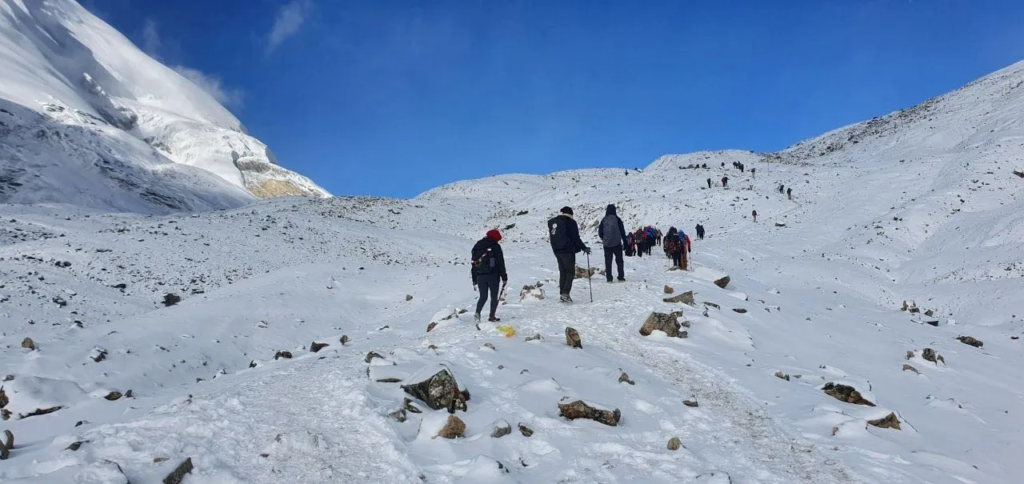
If Everest Base Camp is about one iconic mountain, the Annapurna Circuit Trek is about everything else. It’s one of Nepal’s original classic routes, and what sets it apart is how much the landscape shifts as you walk — green terraced farmland and waterfalls early on, then dry, wind-scoured high-altitude desert that genuinely looks more like Tibet than Nepal by the time you’re near the pass.
The trek runs through the Annapurna Conservation Area, generally takes 12 to 18 days depending on your route and add-ons, and crosses its highest point at Thorong La Pass, a lung-testing 5,416 meters.
Why Travelers Love Annapurna Circuit Trek
People come back from the Annapurna Circuit Trek talking less about one single peak and more about the whole journey — the cultural villages, the natural hot springs at Tatopani (which feel unbelievably good after a week of walking), and the sheer sense of accomplishment crossing Thorong La brings. It’s physically demanding but not technical, which makes it a favorite for trekkers who want a serious challenge without needing mountaineering skills. The beauty of the Annapurna Circuit Trek really is the changing scenery — one day you’re walking through forest and river valleys, and a few days later you’re surrounded by giant peaks and stark, Tibetan-style high country.
Annapurna Circuit Trek Cost
Budget trekkers can typically get through the Annapurna Circuit for around USD 900–1,300 per person. A standard trek with a guide, porter, and slightly better teahouses runs USD 1,400–1,800, while a more comfortable or luxury setup pushes past USD 2,000. Costs generally cover your permits, guide and porter fees, accommodation, meals along the trail, and transportation to and from the trailhead.
Manaslu Circuit Trek – Nepal’s Hidden Himalayan Adventure
Overview of Manaslu Circuit Trek
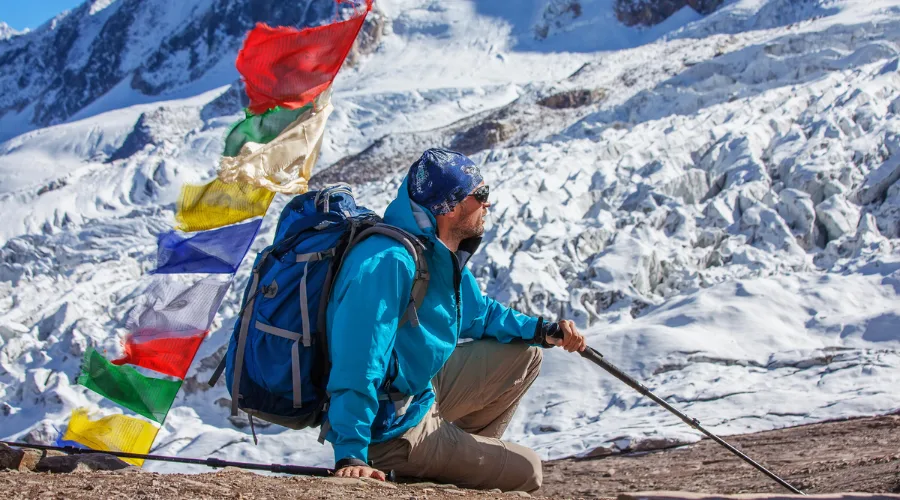
The Manaslu Circuit Trek doesn’t get nearly as much attention as the other two, and honestly, that’s part of its appeal. It’s a restricted-area trek, which means fewer trekkers, more untouched villages, and long stretches where it’s just you, your guide, and the mountains. The route circles around Mount Manaslu, the eighth-highest mountain in the world, through the Manaslu Conservation Area.
Expect a trip of around 14 to 18 days, with the highest point at Larkya La Pass, sitting at 5,106 meters.
What Makes Manaslu Circuit Trek Special?
What sticks with people after this trek is how remote it feels — villages here still run on Tibetan-influenced traditions, and you won’t find the same string of cafes and bakeries that line the Everest and Annapurna routes. For travelers who want to experience Nepal beyond the busy trekking routes, the Manaslu Circuit Trek feels like stepping into a different world, one where the trail hasn’t quite caught up with modern trekking tourism yet.
Manaslu Circuit Trek Cost
Because it’s a restricted area requiring special permits, the Manaslu Circuit Trek tends to sit a bit higher in price than Annapurna. Budget packages usually start around USD 1,200–1,600, standard packages run USD 1,700–2,300, and premium trips go beyond USD 2,500. Group size makes a real difference here — permit costs are often shared, so solo trekkers pay more per person than those traveling with a small group. Your final cost also depends on the trekking agency you choose, transportation, guide and porter arrangements, and accommodation standard.
Comparison table
| Feature | Everest Base Camp | Annapurna Circuit | Manaslu Circuit |
| Duration | 12-16 days | 12-18 days | 14-18 days |
| Maximum Altitude | 5,545m Kala Patthar | 5,416m Thorong La | 5,106m Larkya La |
| Difficulty | Moderate-Hard | Moderate | Hard |
| Crowds | High | Medium | Low |
| Best For | First Himalayan experience | Landscape lovers | Remote adventure |
How to Choose the Right Himalayan Trek for Your Travel Style
Instead of just comparing numbers on a chart, it helps to think about what you’re actually after.
Choose the Everest Base Camp Trek if you want the iconic, bucket-list Everest experience — famous landmarks, a well-developed trail, and a livelier international trekking atmosphere where you’ll meet trekkers from all over the world at teahouses each evening.
Choose the Annapurna Circuit Trek if you want variety above almost everything else — a genuinely diverse landscape, strong cultural exposure across different ethnic villages, and what many consider the most “complete” classic Nepal trekking experience.
Choose the Manaslu Circuit Trek if you want peace and quiet — authentic villages that haven’t been reshaped by mass tourism, a real sense of remoteness, and mountain views that feel earned rather than crowded.
Best Time for Everest Base Camp, Annapurna Circuit, and Manaslu Circuit Trek
Spring, running roughly March through May, brings clear mountain views, comfortable daytime temperatures, and rhododendron forests in full bloom — genuinely one of the prettiest times to be on any of these trails. Autumn, September through November, is generally considered the best window overall thanks to stable weather and excellent visibility for those big mountain panoramas.
Winter trekking is possible on all three routes, though you’ll need proper gear for the cold, especially at higher elevations. Monsoon season, on the other hand, tends to bring more challenges than reward — muddy trails, leeches at lower elevations, and clouds that can block those views you’re trekking for in the first place.
Permits Required for These Nepal Treks
Each of these routes comes with its own permit requirements. For the Everest Base Camp Trek, you’ll need the Sagarmatha National Park Permit along with the Khumbu Pasang Lhamu Rural Municipality Permit. The Annapurna Circuit Trek requires the Annapurna Conservation Area Permit (ACAP) plus a TIMS card. The Manaslu Circuit Trek is the most paperwork-heavy of the three, requiring a Manaslu Restricted Area Permit, a Manaslu Conservation Area Permit, and, because the route overlaps with the Annapurna region toward the end, an Annapurna Conservation Area Permit as well.
Why Choose an Experienced Trekking Company?
A good trekking company takes a lot of the stress out of the equation — permits, accommodation bookings, transportation, safety planning, and emergency support if something goes wrong at altitude. Many travelers prefer working with experienced Himalayan operators like Swotahtrave, since professional guidance can make the whole trekking experience smoother, safer, and considerably more enjoyable, especially once you’re on high-altitude routes where things can change quickly.
Essential Tips Before Starting Your Himalayan Trek
Get some training in before you land — regular walking, stair climbing, or hiking with a loaded pack will make a real difference once you’re on the trail for days at a time. Bring proper gear for cold nights and changing weather, drink more water than feels necessary, and don’t rush the acclimatization days no matter how good you feel. Pick your season carefully, and actually listen to your guide when they suggest slowing down. The Himalayas reward patience — walking slowly and soaking in the journey usually creates better memories than racing to the destination.
Conclusion
Nepal’s Himalayas hold different adventures for different kinds of travelers. The Everest Base Camp Trek delivers the dream of standing close to the world’s highest mountain. The Annapurna Circuit Trek offers incredible landscape variety and a deep dive into local culture. The Manaslu Circuit Trek gives you a quieter path into Nepal’s untouched mountain corners.
In the end, the “best” trek really comes down to what kind of memories you’re chasing. Whether that’s a famous peak, a hidden valley, or a genuine slice of Himalayan life, Nepal has a trail with your name on it.
Frequently Asked Questions (FAQs)
1. Which trek is best for beginners in Nepal?
The Annapurna Circuit Trek and Everest Base Camp Trek both work well for beginners with proper preparation and a reasonable fitness level. The Manaslu Circuit Trek asks for a bit more remote-trekking experience since facilities are more limited.
2. How much does the Everest Base Camp Trek cost?
Most trekkers spend between USD 1,200 and USD 2,500, depending on the package type, trip length, and the level of service you choose.
3. Is the Manaslu Circuit Trek harder than Everest Base Camp Trek?
Manaslu is physically demanding because of its remote trails and thinner infrastructure, while Everest Base Camp reaches a higher altitude but benefits from a much more developed trekking network with more frequent teahouses and rescue options.
4. What is the best month for trekking in Nepal?
October and November during autumn, and March through May in spring, are generally considered the best months across all three routes.
5. Do I need a guide for these trekking routes?
A guide is strongly recommended, and mandatory on the Manaslu Circuit Trek. Guides help with navigation, permit handling, altitude safety, and understanding local customs along the way.
